 Blog Post
09/16/26
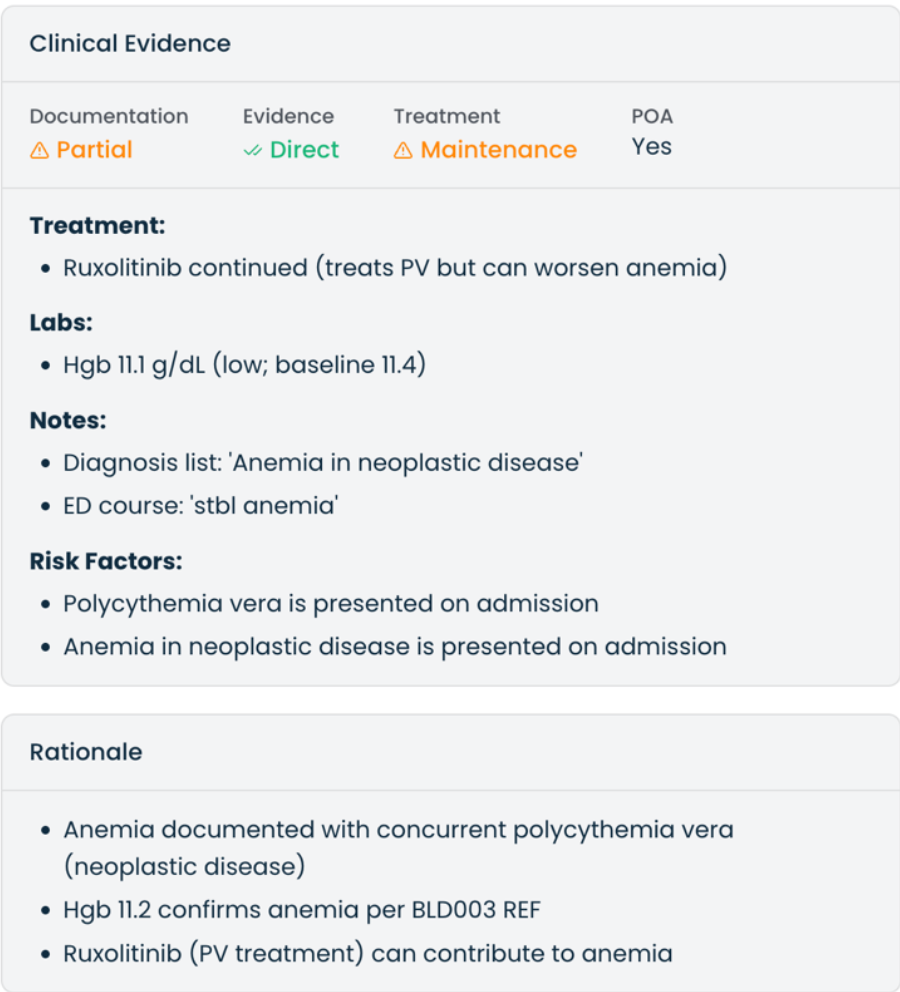
Not just any AI: Deep reasoning for CDI and Coding
AI diagnostic discovery tools replicate rules. HealthVision replicates reasoning — here's the difference and why it matters for revenue and quality.
Read more
Explore how health systems and ACOs are using predictive analytics, AI-powered risk stratification, and clinical intelligence to improve patient outcomes.
Stay Informed
Get the latest from HDAI delivered to your inbox.
 Blog Post
09/08/26
Most hospitals have diagnostic capture gaps — even strong performers. HDAI's service line analysis shows exactly where the revenue opportunities are.
Read more105 resources
Blog Post09/16/26
AI diagnostic discovery tools replicate rules. HealthVision replicates reasoning — here's the difference and why it matters for revenue and quality.
Read more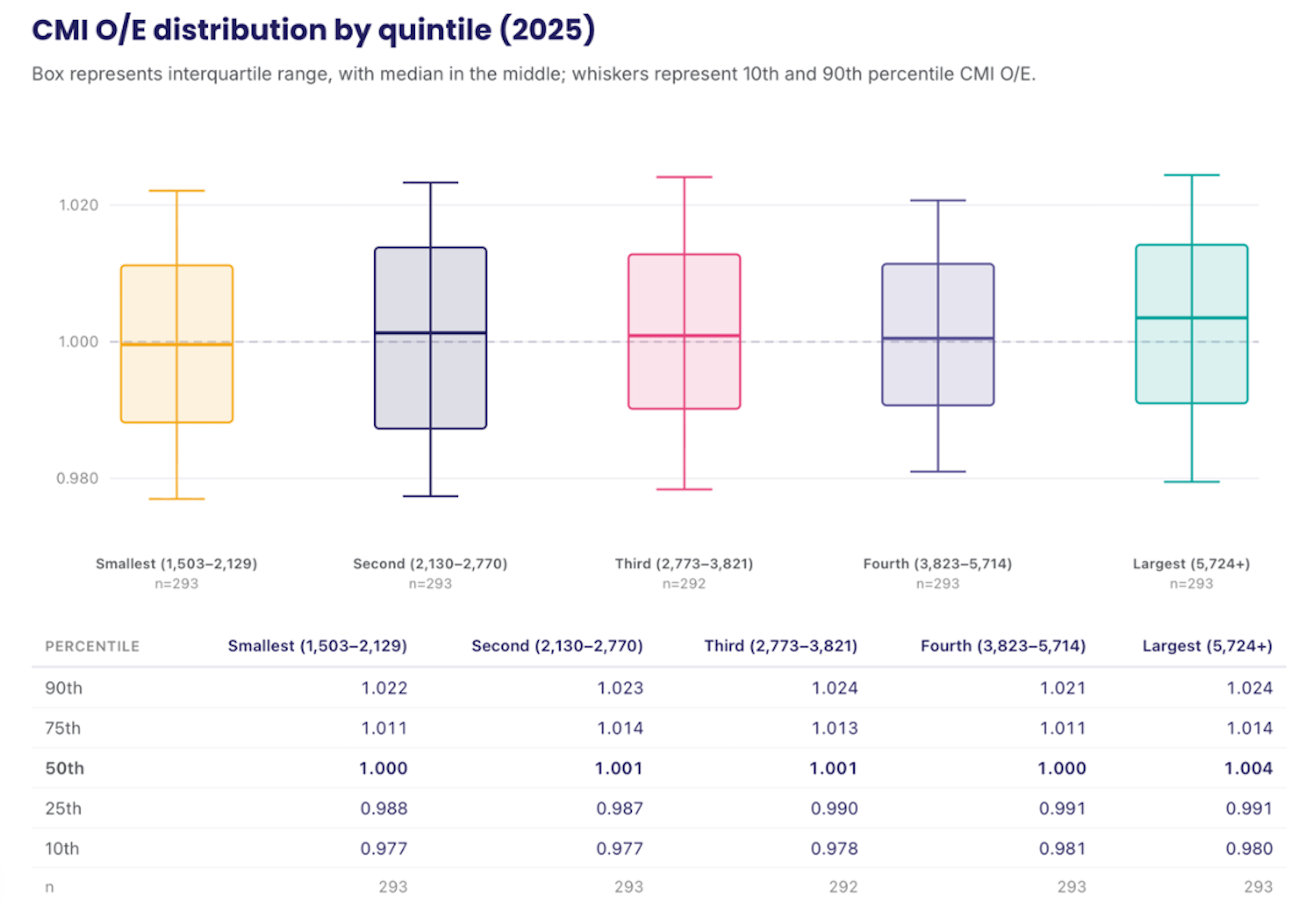 Blog Post
08/26/26
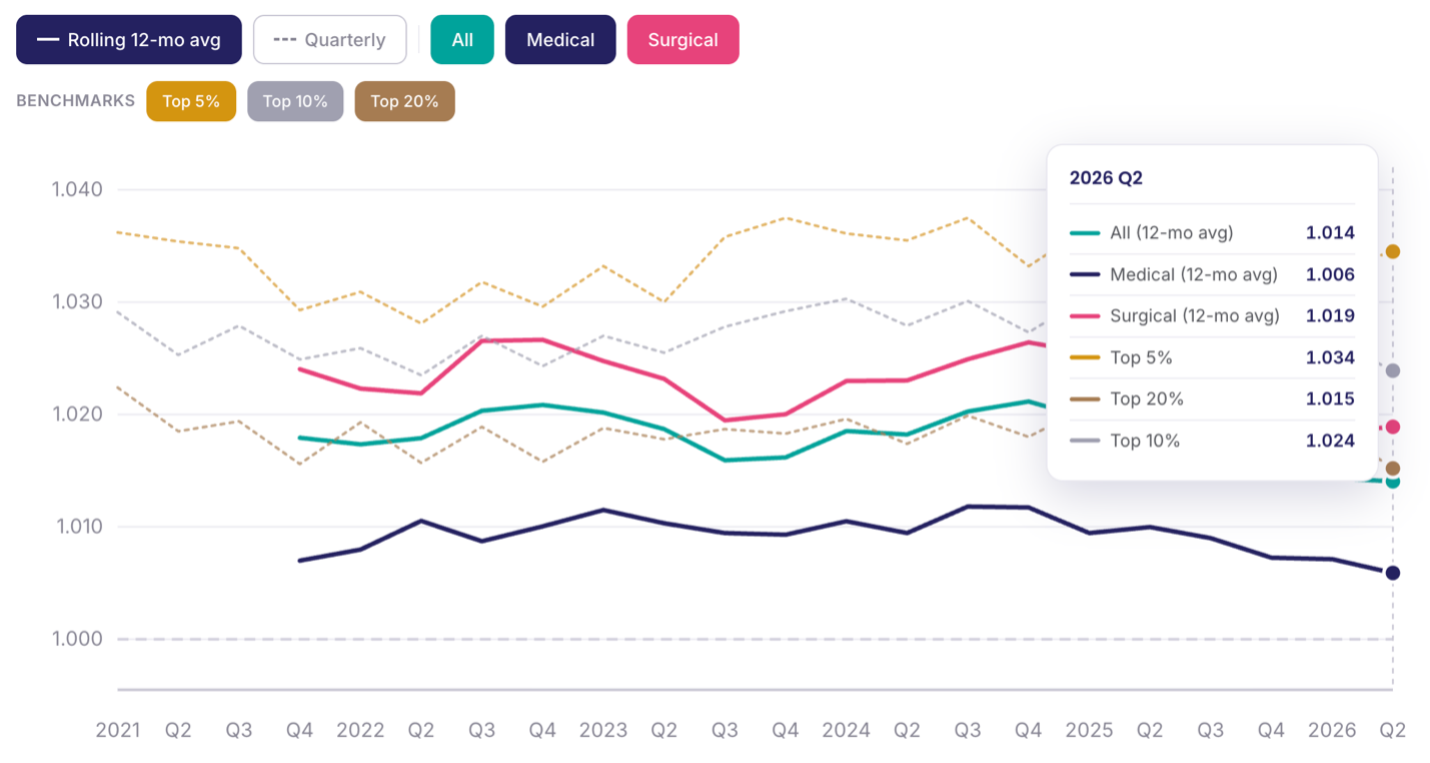
Worried AI is leaving your hospital behind on revenue capture? HDAI's CMI benchmarking across every U.S. hospital says you're not behind yet.
Read more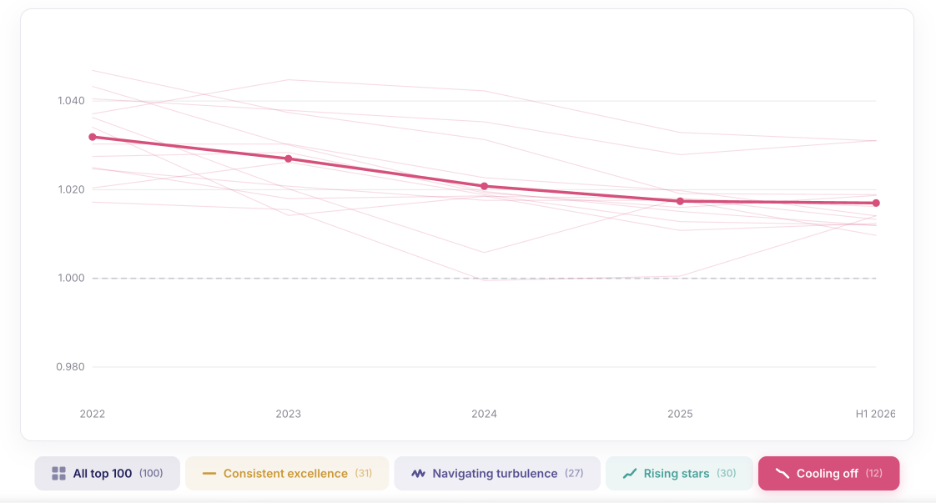 Blog Post
08/19/26
HDAI ranked the top 100 US hospitals by observed-to-expected CMI through H1 2026. See where your hospital stands and what the long-term trends reveal.
Read more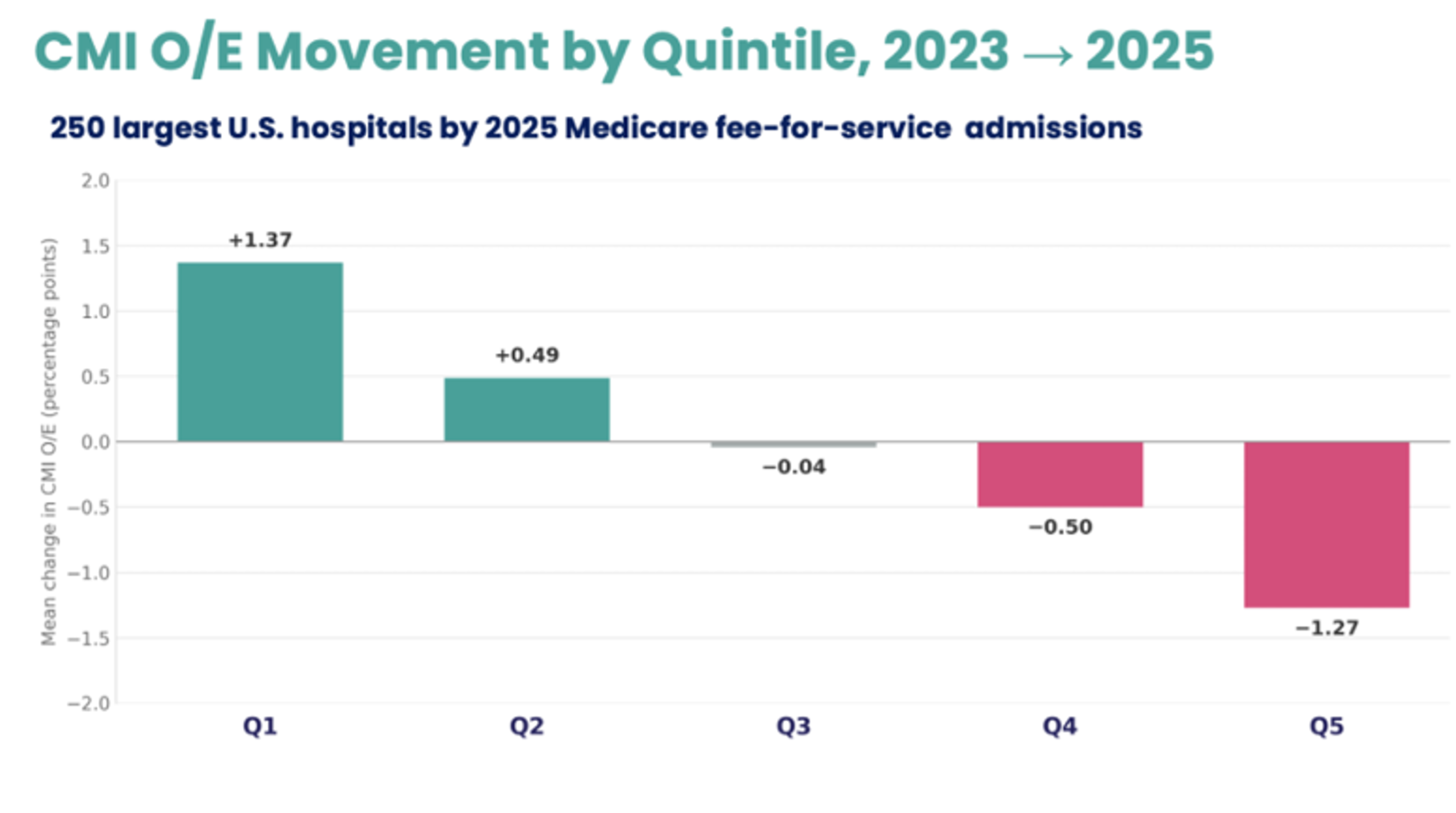 Blog Post
08/17/26
We have developed a tool that has already calculated your OE CMI as of Q2 2026, and compares you to the top 10% performers, and, most importantly, provides a discrete path to increase your OE CMI.
Read more Blog Post
08/14/26
We use our privileged access to Medicare's full claims database to identify how well every ACO is capturing every HCC, compared to \\\"digital twins\\\"—that is, patients elsewhere in the country with similar clinical profiles. We can then suggest conditions, providers, and even patients where greater focus on HCC capture would yield an outsized return.
Read more Blog Post
08/05/26
Rankings can be a driving force for self-measurement and improvement in hospitals, and the best executives harness them to drive real—not just reputational—improvements.
Read more Blog Post
06/03/26
The Rural Health Transformation Project is an unprecedented federal initiative that commits $50 billion over five years to reshape healthcare delivery in rural America.
Read more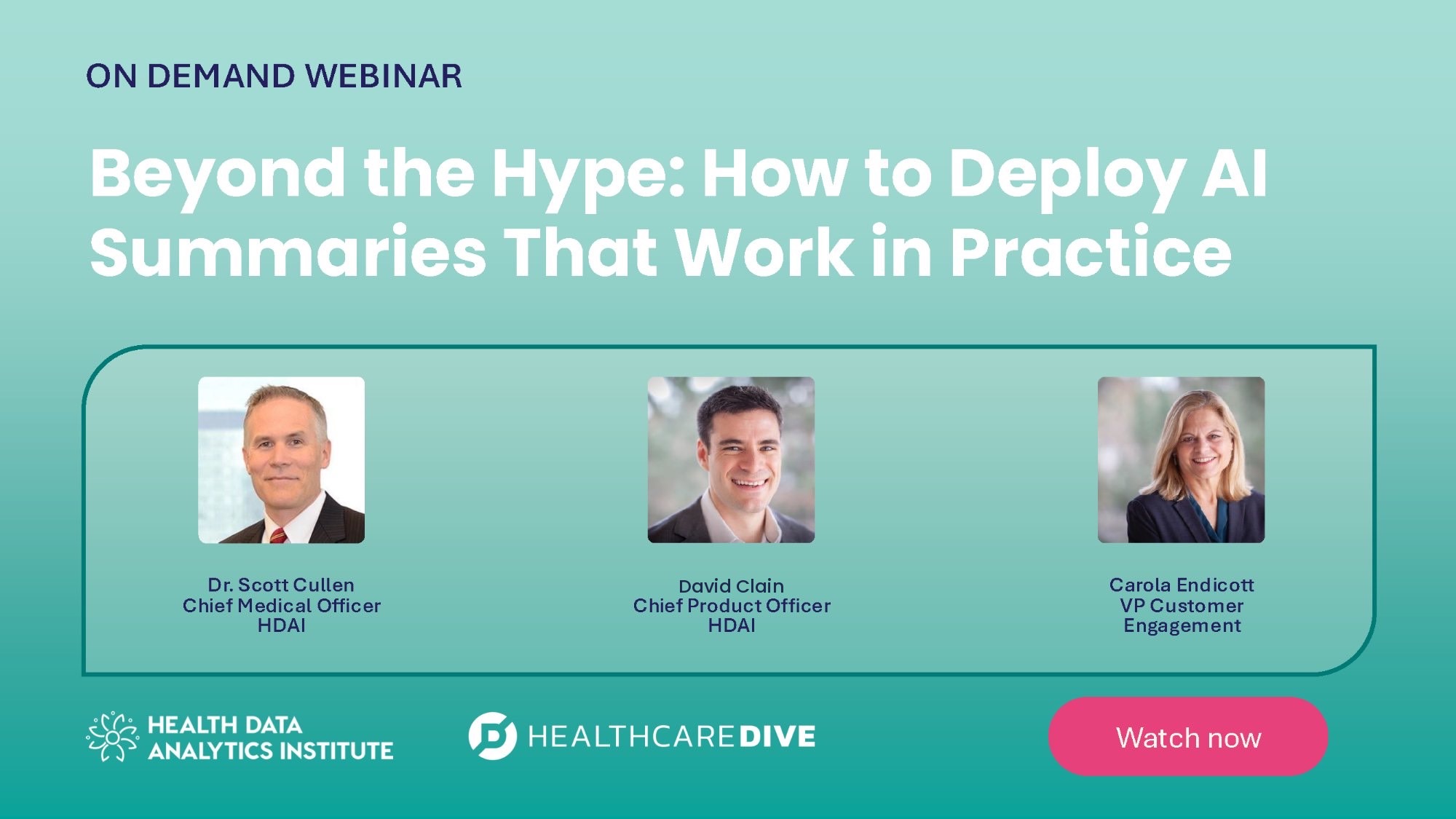 Webinar
04/30/26
Deploying AI in a health system means more than choosing the right tool — it means getting clinicians, IT, and governance committees on board from day one. In this on-demand webinar hosted by Healthcare Dive, HDAI experts Dr. Scott Cullen, David Clain, and Carola Endicott walk through a practical framework for evaluating and scaling AI Summaries across your organization.
Watch the webinar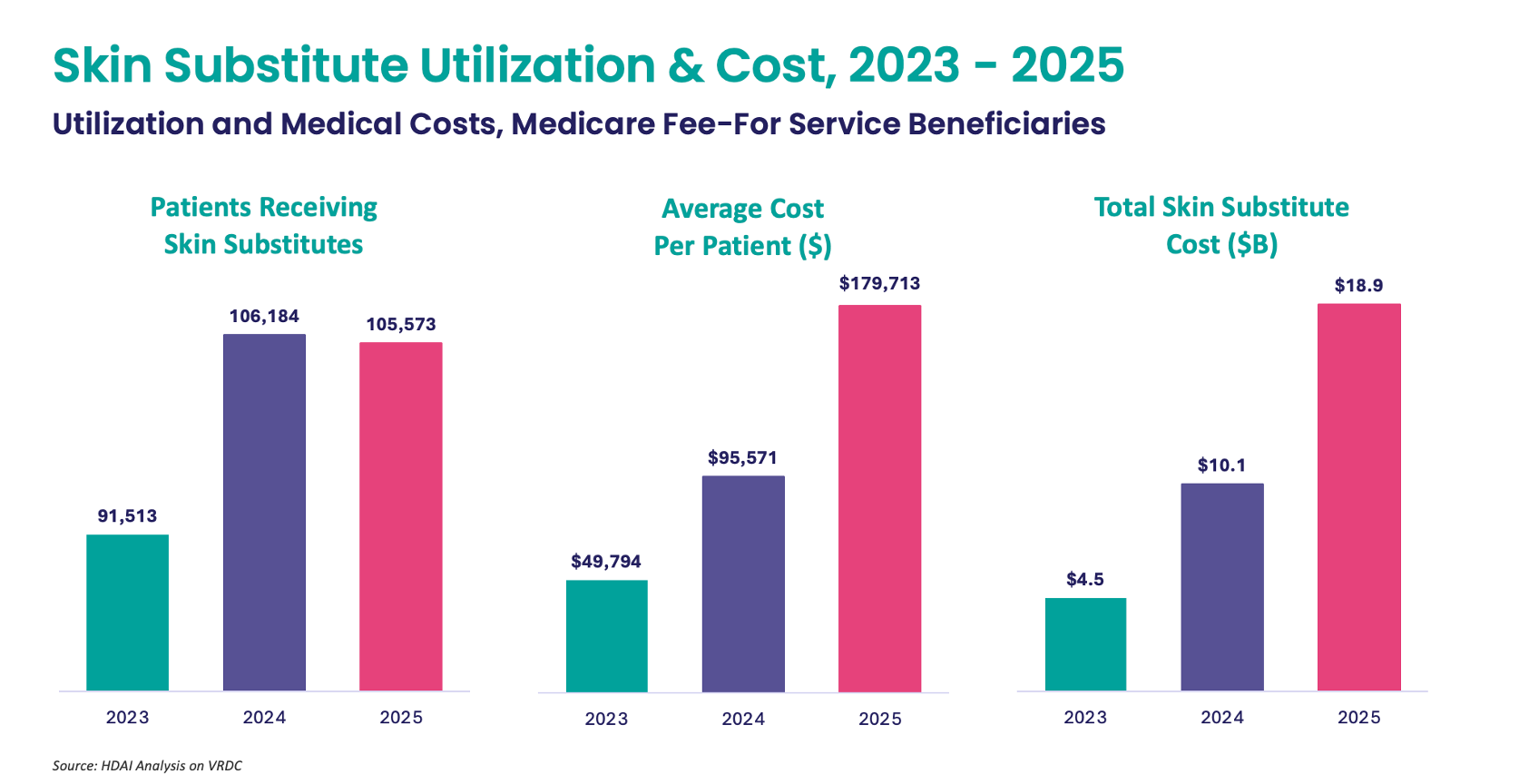 Blog Post
04/28/26
Our analysis of Medicare fee-for-service claims show the explosion of skin substitute expenditures for Medicare patients. Allowed charges increased from $4.4B in 2022 to $18.9B in 2025. Most of this increase was driven by skin substitute cost per patient — which increased fourfold between 2023 and 2025, from $50K to $180K.
Read more